Search
Popular search terms:

Search
Popular search terms:
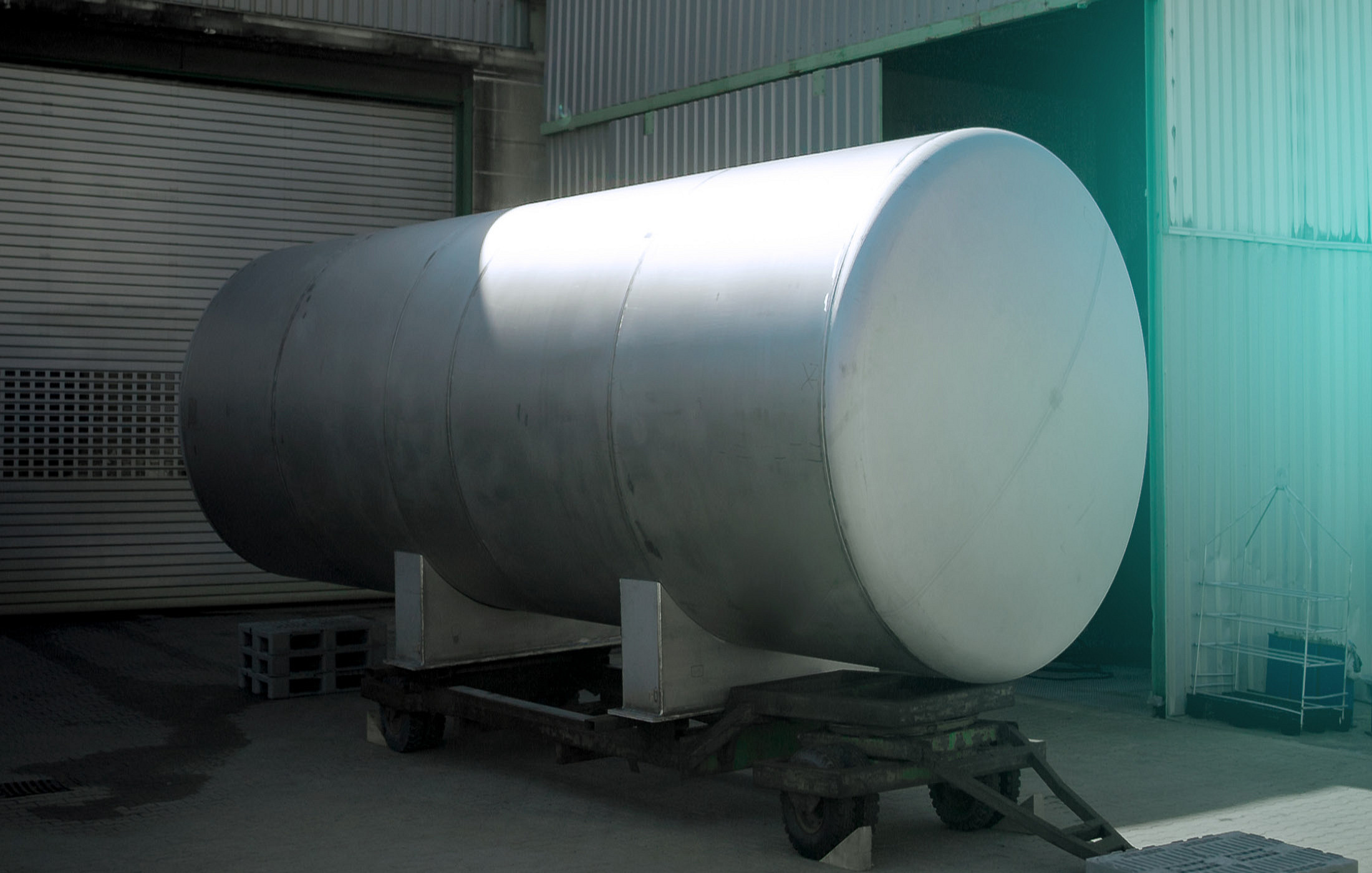
Metal pickling
Clean, metallically pure surfaces are crucial for corrosion resistance and durability. When it comes to metal pickling, Albrecht ensures professional chemical surface treatment in the tank, machinery and plant engineering sectors.
Precise. Time-saving. In compliance with all quality specifications.
Chemical surface treatment for the most demanding requirements
The pickling process for steel and stainless steel is used to remove discolouration, scale, oxide layers and impurities following welding or heat treatment.
Chemical pickling of components activates metal surfaces and prepares them for optimum corrosion resistance. This surface treatment is an essential part of quality assurance, particularly in the construction of plant and vessels.
Treatment of individual parts, large components and complete assemblies as part of our manufacturing process. The
type and scope of the surface treatment are tailored to each specific project.

Improved corrosion resistance

A clean and metallically pure surface

Optimal preparation for subsequent processes
Metal pickling is an integral part of our surface treatment processes in plant and vessel construction. Following chemical pickling, components can be processed further or assembled straight away.
Thanks to the close integration with cutting processes, press braking, milling, drilling, welding, grinding and blasting, we are able to create seamless processes without external interfaces.
Grinding and welding stainless steel in particular can result in tarnish and oxide layers, which can impair its corrosion resistance.
By specifically removing these discolourations and subsequently passivating the metal surfaces, the stainless steel’s natural protective layer is restored. The chemical pickling of components therefore makes a significant contribution to long-term corrosion protection – particularly in the case of pressure vessels and plant components.
We pickle steel and stainless steel components, as well as welded structures produced in-house.
Thanks to our high level of vertical integration, we are also able to treat large-format tank segments or complete assemblies in-house and then process them further – efficiently and on schedule.
Our pickling processes are tailored to industrial applications in mechanical and plant engineering. Depending on the component and the requirements, suitable chemical pickling processes are employed.
Integration into our overall process ensures a coordinated surface treatment, from descaling and derusting through to final passivation.
Quality and Control
Metal pickling is carried out in accordance with clearly defined quality standards. Particularly in the construction of plant and vessels, professional surface treatment is crucial for safety and durability.
Complete manufacturing and inspection documentation can be provided for each project, such as material certificates or welding documentation.

FAQ
Welding produces discolouration and oxide layers which can impair the corrosion resistance of stainless steel. Chemical pickling of components removes these layers and restores the natural passive layer. This is particularly crucial for longevity and operational safety in the field of plant and vessel construction.


